Unidentified Artist possibly E. Bergh
Johan Edward Bergh
1828–1880
Sculpture study
Charcoal drawing
Student work, signed E. Bergh
Stamped on verso “Presented in schoolyard 24/9-94’
78x97cm
£750
Johan Edward Bergh
Berg was a landscape painter, associated with the Düsseldorf School, born in Stockholm, Sweden. Trained as a Notary his interest in art began during a trip to Gotland, where he met several artists and became friends with the architect, Fredrik Wilhelm Scholander. His first attempt to enrol at the Royal Swedish Academy of Fine Arts was rejected, but he was not discouraged. He began exhibiting under the auspices of the Swedish Art Association (Sveriges allmänna konstförening ). One of those exhibitions was attended by Count Michael Gustaf Anckarsvärd who was an official at the Royal Academy. He was impressed with Bergh's work and assured him that a new application would be accepted. By 1854, he had qualified for a scholarship that enabled him to take a three-year study trip. He visited Switzerland, Italy and Germany where he studied at the Kunstakademie Düsseldorf with Norwegian romanticist painter Hans Gude. He also had some lessons from German landscape and seascape painter Andreas Achenbach and the Swiss landscape painter, Alexandre Calame. In 1857, he established a landscape painting school at the Royal Academy and became a professor there in 1861. In 1862, he was one of the founding members of Sällskapet Idun, a men's association. He was awarded a gold medal at the Exposition Universelle (1867) in Paris.
Unidentified Artist possibly E. Bergh
Johan Edward Bergh
1828–1880
Sculpture study
Charcoal drawing
Student work, signed E. Bergh
Stamped on verso “Presented in schoolyard 24/9-94’
78x97cm
£750
Johan Edward Bergh
Berg was a landscape painter, associated with the Düsseldorf School, born in Stockholm, Sweden. Trained as a Notary his interest in art began during a trip to Gotland, where he met several artists and became friends with the architect, Fredrik Wilhelm Scholander. His first attempt to enrol at the Royal Swedish Academy of Fine Arts was rejected, but he was not discouraged. He began exhibiting under the auspices of the Swedish Art Association (Sveriges allmänna konstförening ). One of those exhibitions was attended by Count Michael Gustaf Anckarsvärd who was an official at the Royal Academy. He was impressed with Bergh's work and assured him that a new application would be accepted. By 1854, he had qualified for a scholarship that enabled him to take a three-year study trip. He visited Switzerland, Italy and Germany where he studied at the Kunstakademie Düsseldorf with Norwegian romanticist painter Hans Gude. He also had some lessons from German landscape and seascape painter Andreas Achenbach and the Swiss landscape painter, Alexandre Calame. In 1857, he established a landscape painting school at the Royal Academy and became a professor there in 1861. In 1862, he was one of the founding members of Sällskapet Idun, a men's association. He was awarded a gold medal at the Exposition Universelle (1867) in Paris.
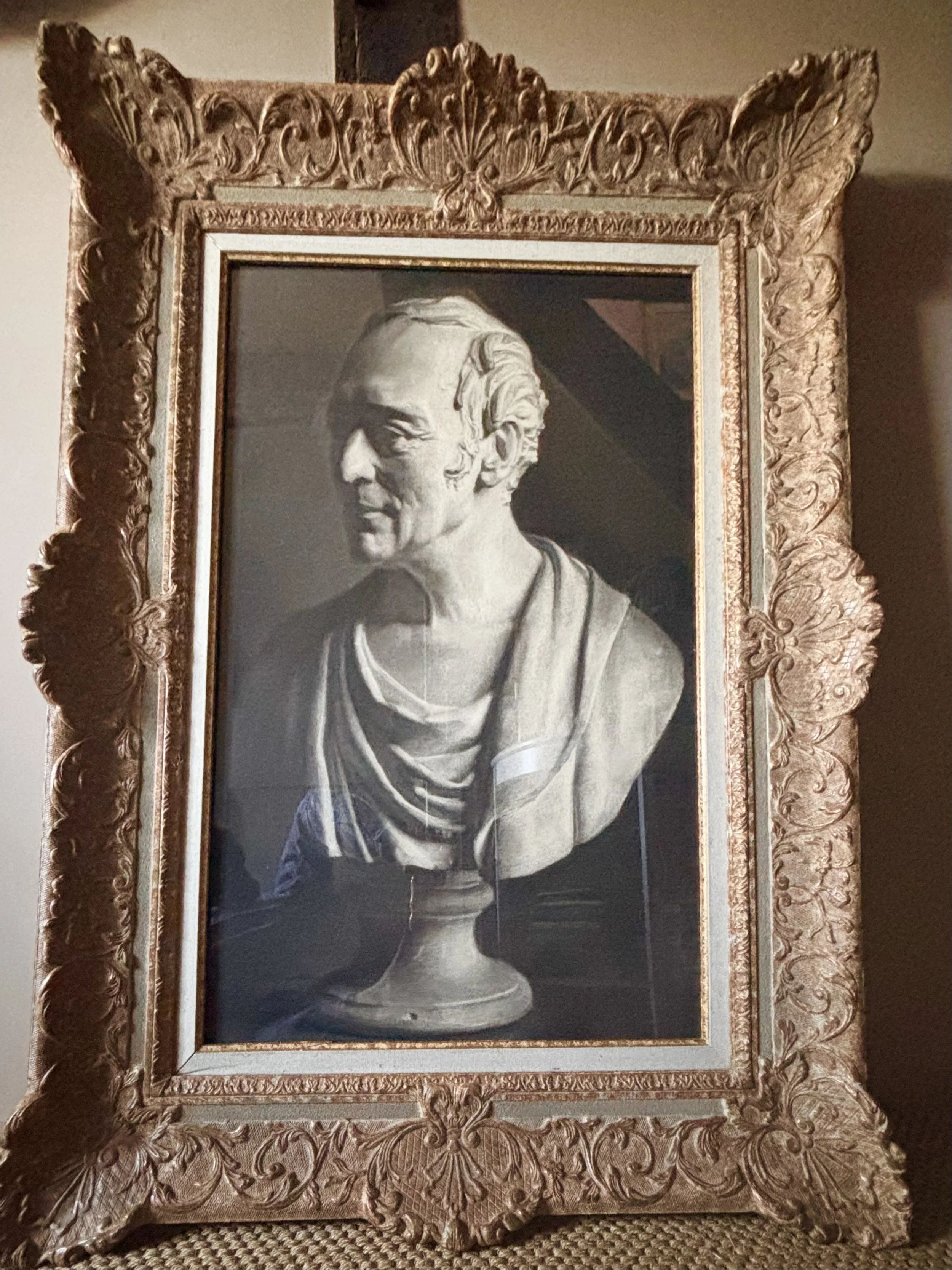 Image 1 of 3
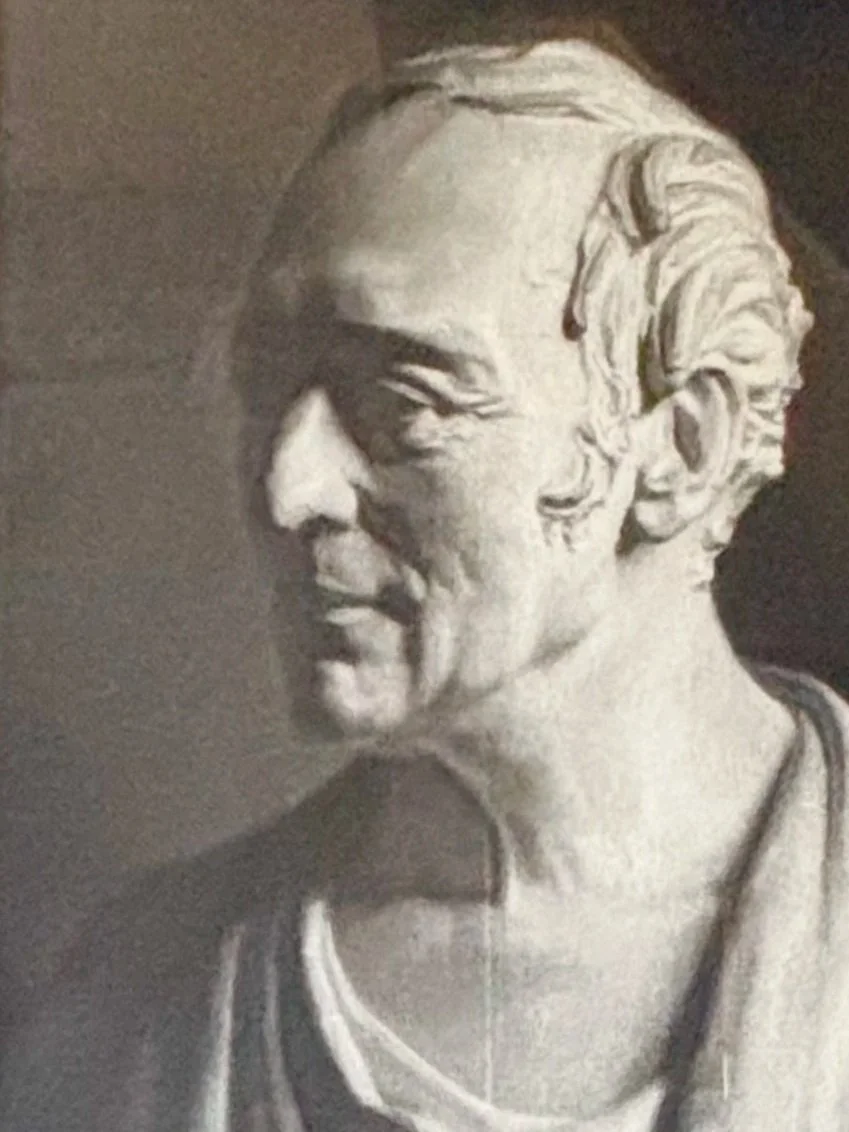 Image 2 of 3
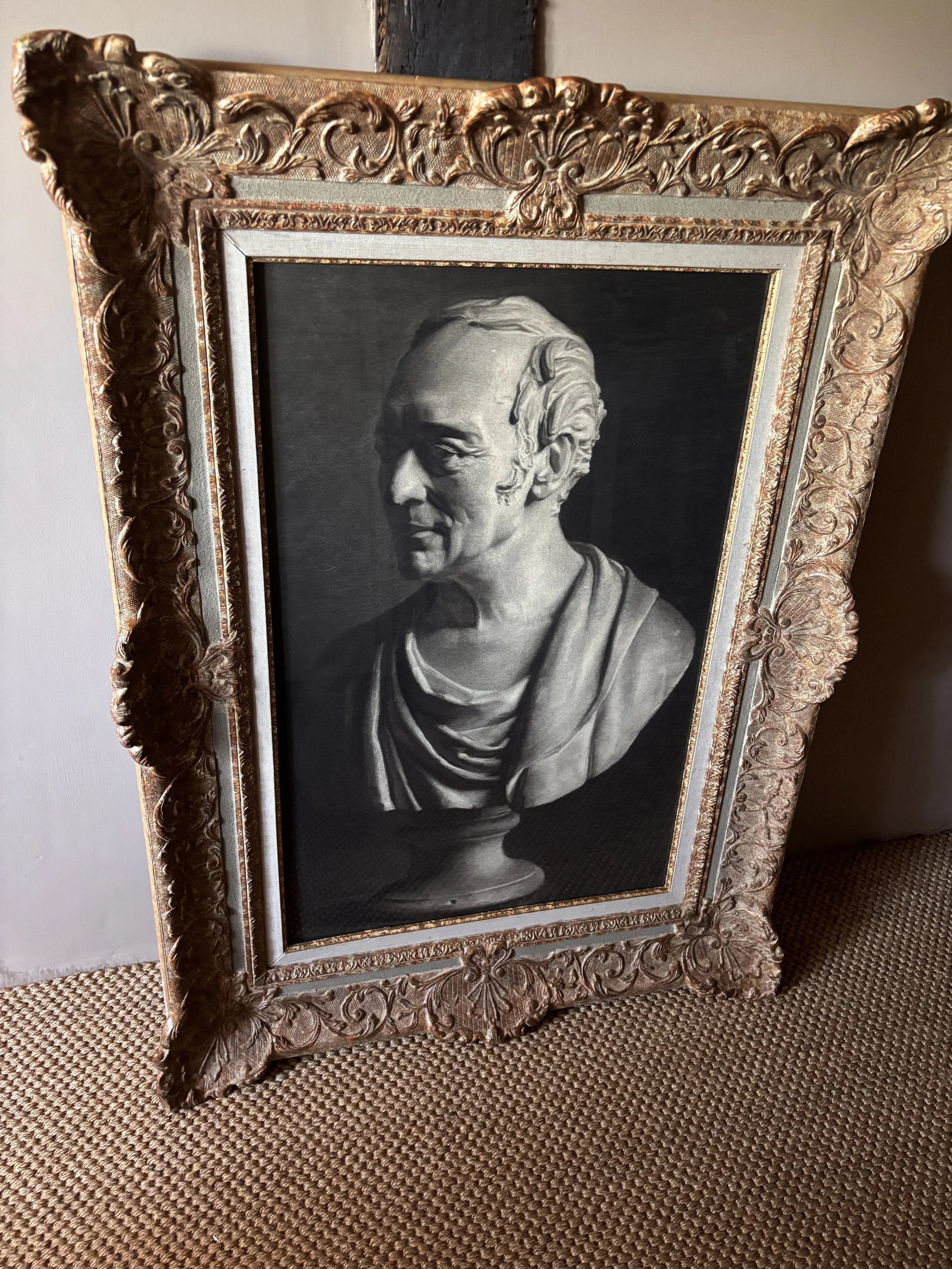 Image 3 of 3